Strengthening Community Resilience Through Climate, Health and Gender Action
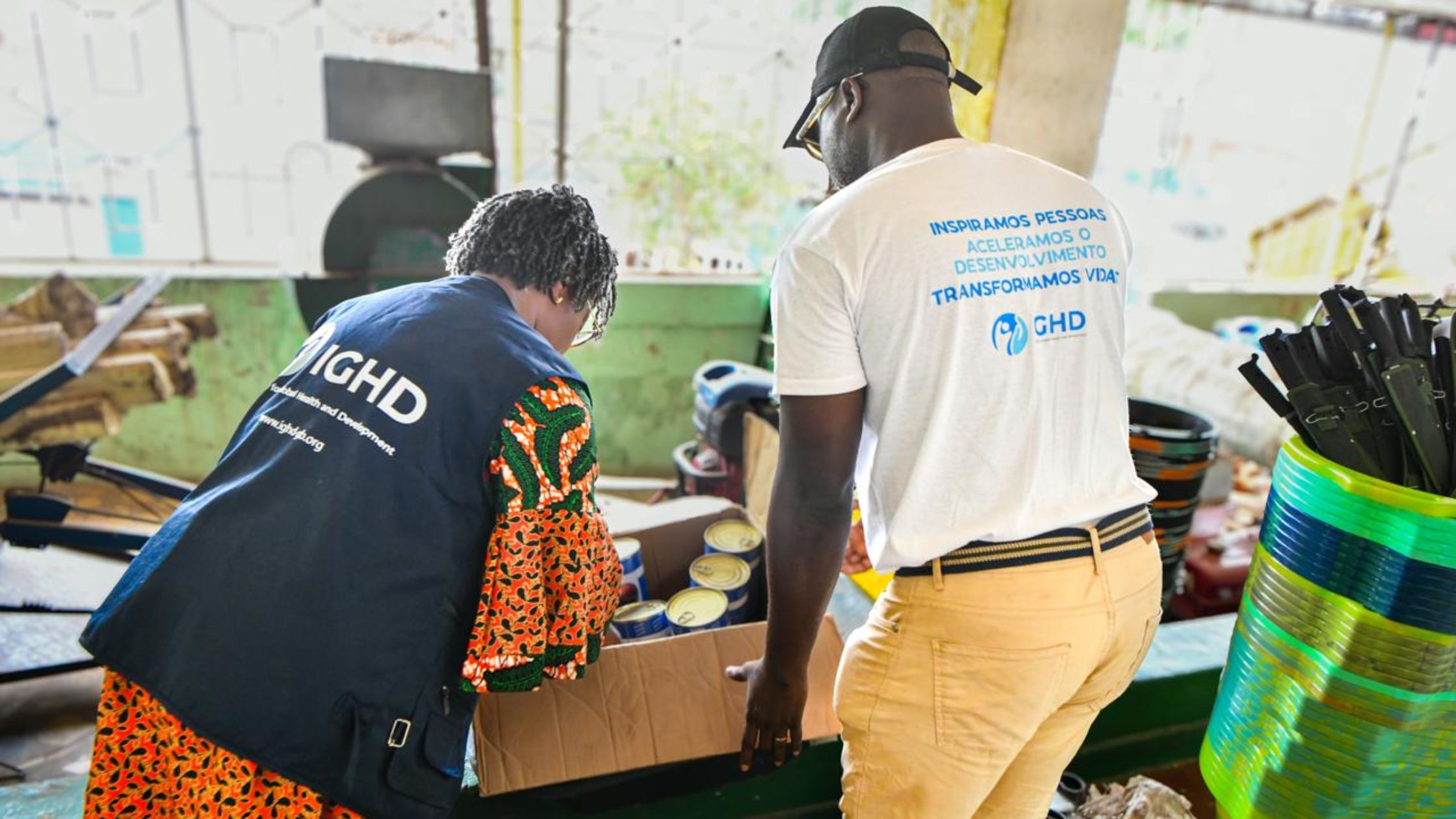
On a recent Friday afternoon in Safim, nearly 200 women gathered to talk about their lives. The conversation shifted between laughter and serious reflection as women discussed raising families, earning a living, maintaining their health and coping with changing weather that affects their livelihoods. They addressed gender norms, work-life balance and the ongoing reality that many women continue to bear the majority of household responsibilities. Throughout Guinea-Bissau, women are central to sustaining households and communities. They grow vegetables, sell produce at local markets, fish, support family incomes and care for children and relatives. Their efforts are vital to food security, household wellbeing and local economic development, yet they are also among those most exposed to the impacts of climate change. In Safim, women expressed concerns about their health, families and futures, while also emphasising their determination to provide for their households despite increasing uncertainty. The IGHD resilience programme provides women horticulturists with training in sustainable agriculture, entrepreneurship and financial literacy. These skills enable them to adapt to changing conditions, increase productivity and build economic resilience. The programme also offers integrated health services and awareness activities. Recent initiatives include cervical cancer screening, education on sexually transmitted infections and information on support for gender-based violence. Upcoming activities will address malaria prevention and diabetes screening, ensuring women have access to essential health information and services. Economic resilience is another key focus. In partnership with Ecobank, women receive financial education and guidance on developing savings habits to help manage economic shocks and plan for the future. These efforts are already benefiting communities across the region. Recently, over 600 women from six associations in Bissau and Biombo received seeds, tools and agricultural materials to boost productivity and resilience. Support from the Sanofi Foundation has enabled these interventions, providing women with practical resources to improve their livelihoods and adapt to challenging environmental conditions. However, the most important lesson from Safim cannot be measured by the number of trainings, screenings, or tools provided. It can be found in the women themselves. It is seen in their willingness to learn new skills, their determination to support their families despite uncertain harvests and their ability to adapt, innovate and persevere amid changing circumstances. These women contribute far more than to agricultural production. They help feed their communities, support local economies, educate their children and improve family well-being. Each seed planted represents not only a future harvest but also an investment in resilience, opportunity, and hope. In the face of the challenges of climate change, health and gender inequality, the experiences of these women offer a powerful reminder of what resilience truly looks like. End
Follow Us
Inspiring People
Accelerating Development
Transforming Lives