Forging a New Generation of Health Diplomats: How IGHD is Shaping Africa's Voice in Global Health
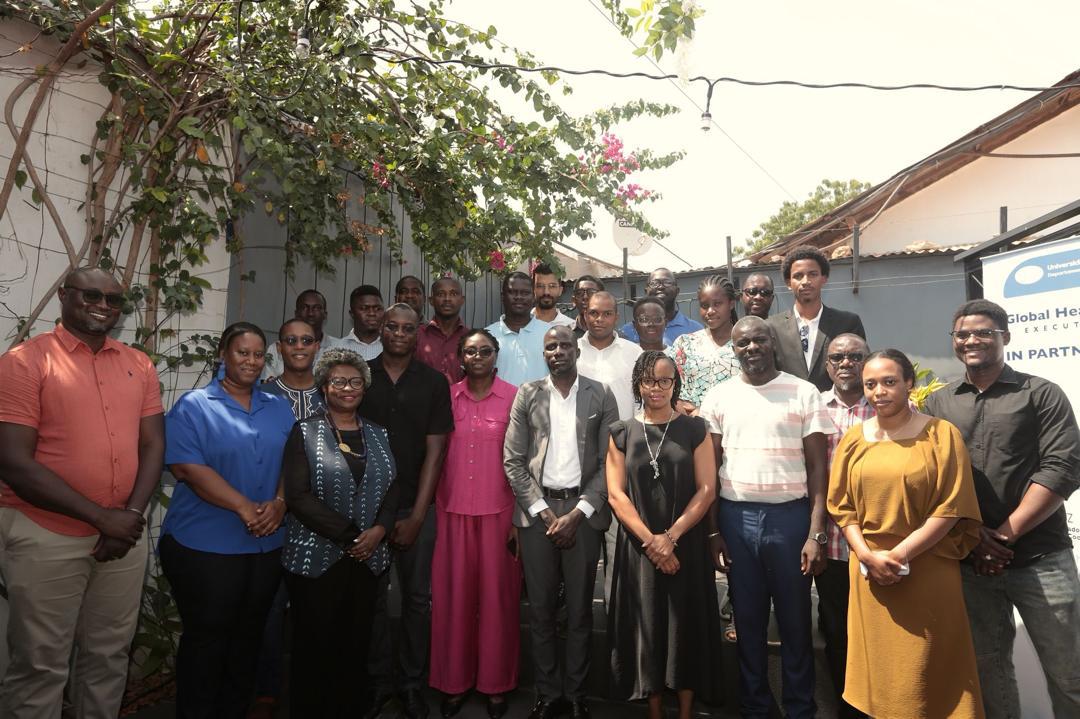
Recognising this urgent need, the Institute for Global Health and Development (IGHD), in partnership with the Catholic University of Guinea-Bissau, the World Health Organisation, and Fiocruz, took a historic step in October 2025. We convened the first Executive Course on Global Health Diplomacy in Bissau, a groundbreaking initiative designed to equip a new generation of African leaders with the tools to champion continental health priorities on the world stage. The course was born from a clear diagnosis: while interest in global health diplomacy is growing, there is a critical shortage of practical skills to navigate its political complexities. As the course background notes, health is "above all a field of politics." This program was designed to move beyond theory, offering 24 carefully selected professionals from Guinea-Bissau, Cabo Verde and Mozambique to an intensive, 60-hour immersion into the art and science of health diplomacy. The curriculum was built for the reality of today’s fragmented, multipolar world. Over ten modules, participants grappled with: Geopolitics & Health: Understanding how a single nation's domestic politics can derail global agreements, as seen with shifts in pandemic treaty negotiations. Negotiation & Advocacy: Moving from "art and science of negotiation" to practising crisis communication and vaccine diplomacy tactics. African Agency: Analysing continental frameworks like Agenda 2063 and the role of South-South cooperation in reclaiming narrative and policy control. The methodology was deliberately hands-on. Days were filled with simulations, role-playing exercises (like mock Pandemic Agreement negotiations), and case studies, ensuring that concepts like "diplomatic practice in a fragile state" were not just discussed but experienced. The calibre of faculty signalled the course's ambition and IGHD’s convening power. Participants learned directly from the architects of global and continental health policy. They included: Helena Maria José Nosolini Embalo - President of the UEMOA and Regional Consular Chamber (CCR-UEMOA) Paulo Marchiori Buss - Director of the WHO Collaborating Centre on Global Health Diplomacy and South-South Cooperation at Fiocruz Regina Ungerer - Senior Researcher at the Vice-Presidency of Global Health and International Relations at the Oswaldo Cruz Foundation João José Silva Monteiro - Senior researcher at the National Institute of Studies and Research, writer and poet Paulo Gomes - Founder of Orango Investment Corporation Augusto Paulo José da Silva - Senior Researcher and Office Coordinator for Africa at Oswaldo Cruz Foundation (FIOCRUZ) of the Ministry of Health of Brazil Anders Nordström - Program Director for the Executive Program on International Politics and Diplomacy for Health for Emerging Leaders Manuel Clarote Lapão - Director for Cooperation at the Community of Portuguese Speaking Countries (CPLP) Secretariat Fifa A Rahman - Global Health Lawyer Stéphanie Seydoux - Inspector General for Social Affairs, Government of France Caroline Mendy - Director, Global Policy at Roche Pharma, based in Basel, Switzerland Bubacar Turé - President of the Guinean Human Rights League Walter Kazadi Mulombo - WHO Representative in Guinea-Bissau Ilona Kickbusch - Co-Chair of the World Health Summit Council Ambassador John N. Nkengasong, Executive Director of Higher Education, Collaboratives, and Special Initiatives at the Mastercard Foundation Cristina Duarte, United Nations Under-Secretary-General and Special Advisor on Africa Anders Nordström, former Swedish Ambassador for Global Health and acting WHO Director-General Jean Victor Nkolo - Former Spokesperson for three Presidents of the UN General Assembly and the Security Council Raul de Melo Cabral - Seasoned diplomat and multilateral affairs expert with extensive experience in the United Nations system Francisco Pavão - Director of International Relations Coordination Services, General Secretariat, Ministry of Health, Portugal Asha DeSuza - Senior Advisor for Global Strategic Engagement at IGHD Ebere Okereke - Chief Program Officer at the Mohamed bin Zayed Foundation for Humanity Lito Nunes Fernandes - Rector of the Catholic University of Guinea-Bissau Carlos Robalo Cordeiro - Professor of Pulmonology Samory Badona Monteiro - International Humanitarian Lawyer Benjamin Djoudalbaye - Global Health leader Mashood Djalo - Research Management and International Relations Associate at IGHD Magda Robalo - President and Co-founder of IGHD This was not a passive lecture series. It was a dynamic exchange where future leaders interacted with current ones, absorbing not just knowledge but the nuanced statecraft required to advance Africa’s health sovereignty. The true promise of the initiative lies in its participants, the "cohort members" who are already embedded in the machinery of national and regional health. They are the operational backbone of resilience: National Program Coordinators fighting HIV/AIDS, Tuberculosis, and managing medical emergencies. Field Epidemiologists from INASA who are tracking disease outbreaks. Civil Society Activists championing human rights, gender equality, and environmental justice. Physicians, Public Health Specialists, and Policy Experts from ministries, hospitals, and universities. These are the professionals who will draft national positions, represent their countries in regional forums like ECOWAS and WAHO, and engage with global bodies. By empowering them with diplomatic skills, IGHD is strengthening the entire chain of health governance from community surveillance to international negotiation rooms. The Strategic Imperative: Why Health Diplomacy is Non-Negotiable for Africa. This course underscores a pivotal shift. As module discussions highlighted, global health is intrinsic to Africa’s development and security. The African Union’s Agenda 2063 explicitly links the continent’s prosperity to the health and well-being of its people. Yet, global health architecture has often been shaped without proportional African influence. The training focused on changing this dynamic. It equipped participants to: Articulate African Priorities: From local manufacturing of vaccines and medicines to financing climate-resilient health systems. Navigate Multilateral Forums: Effectively engage in the WHO, UN, and G20 processes, as well as within the Community of Portuguese Language Countries (CPLP) and other South-South platforms. Build Strategic Alliances: Leverage triangular cooperation and partnerships to attract investment and technology transfer. In essence, the course was an investment in conscious diplomacy. A more skilled cadre of health diplomats means Africa is better prepared to prevent unfair agreements, secure equitable vaccine distribution in the next pandemic, and advocate for financing models that build self-reliant health systems. The inaugural Executive Course on Global Health Diplomacy was more than a training; it was the seeding of a transformative network. By placing Bissau at the centre of this strategic dialogue, advocacy and training, IGHD and its partners have made a powerful statement about decentralising global health expertise and fostering African-led solutions. The 24 graduates now carry a mandate: to be the informed, assertive voices (ambassadors) ensuring that health policies in Geneva, New York, and Addis Ababa reflect the realities and aspirations of communities from Biombo to Bafatá, and beyond. As they implement their learning, they become the vital link between high-stakes diplomacy and tangible health outcomes, forging a future where Africa doesn't just serve as a mere participant in global health but leads. See more about the program, faculty members cohort members here.In an era of what experts call a "polycrisis", in which climate shocks, pandemics, and geopolitical tensions collide, health has decisively moved from the technical corridors of health ministries to the forefront of global power negotiations. It is no longer just a medical issue, but a matter of national security, economic stability, and international influence. For African nations, navigating this complex landscape requires more than good intentions; it demands skilled diplomats who can negotiate, advocate, and shape the rules of global health in real time.
Bridging the Critical Gap: From Theory to Practice in a Multipolar World
A Faculty of Global Heavyweights: Knowledge Transfer at the Highest Level
The Cohort: Africa's Frontline in the Making
Conclusion: Seeding a Transformative Legacy
Follow Us
Inspiring People
Accelerating Development
Transforming Lives