Building Stronger Research Systems in Guinea-Bissau
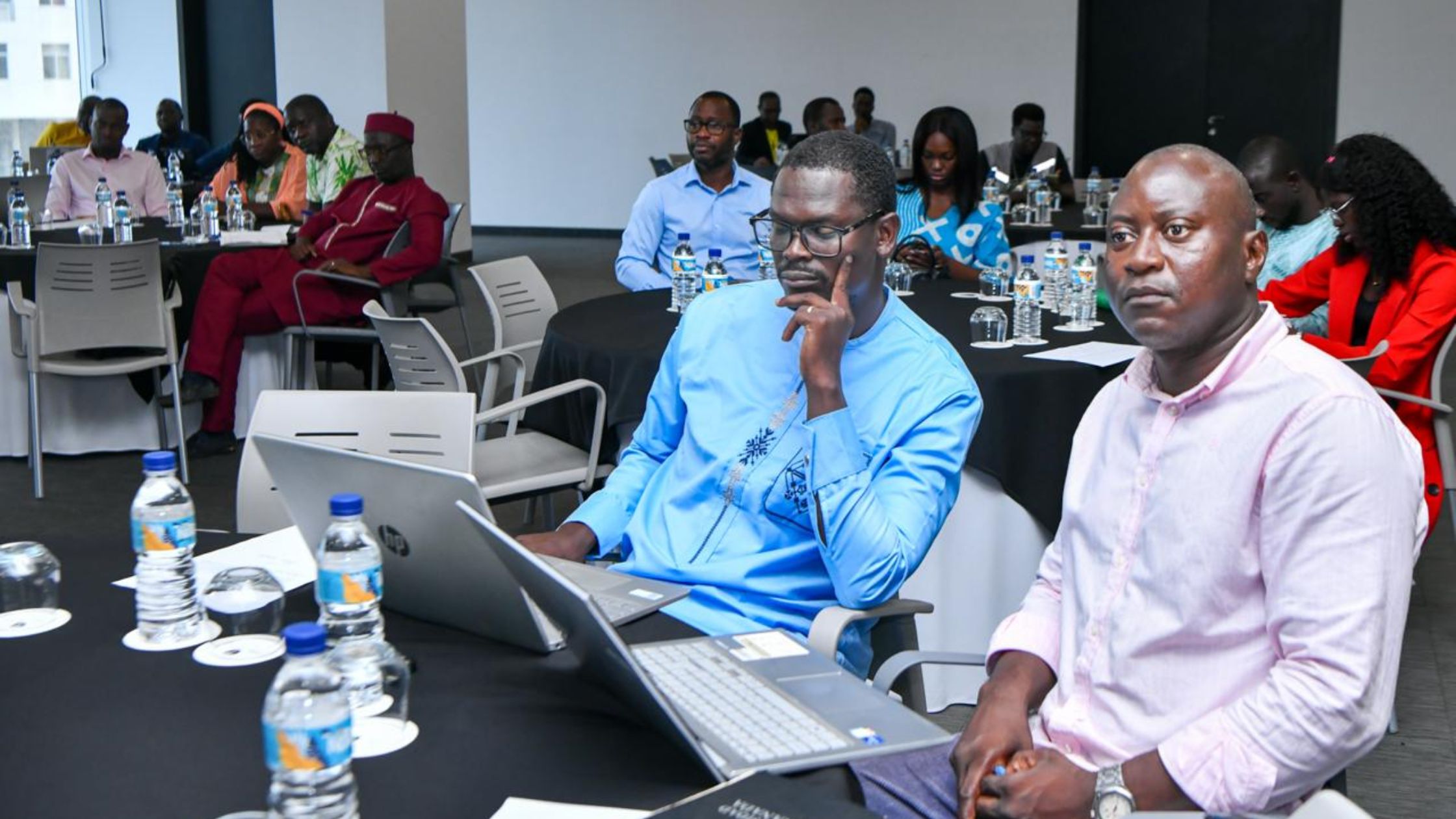
Guinea-Bissau has its first clear overview of the strengths, challenges and opportunities within its research workforce. On June 12, 2026, the country shared early results from its first nationwide assessment of research capacity. This assessment gives a unique look at what researchers experience in universities, hospitals, government, research groups and civil society. Importantly, the assessment goes beyond listing problems and offers a plan for moving forward. When researchers have the right skills, resources and support, they can produce evidence that helps governments make informed decisions, improve services and meet people’s needs. However, many countries struggle to identify where their research capacity falls short. For Guinea-Bissau, this assessment is a major step forward, offering the first comprehensive and nationwide view of the country’s research environment. The study used a World Health Organisation framework to assess key research skills and collected responses from 450 people working in universities, hospitals, ministries, research groups and civil society organisations. The results show that while the research community is motivated and dedicated, it still faces major obstacles to reaching its full potential. One of the most striking findings is the lack of funding. Almost all researchers surveyed said they do not have enough access to local research funding, which is a major barrier to developing research led by people in Guinea-Bissau. Without continuous financial support, many good ideas cannot move beyond the planning stage, limiting innovation and the creation of new evidence. There are significant gaps in key research competencies, including grant writing, protocol development and statistical analysis. These skills are fundamental to obtaining funding, conducting meticulous studies and translating findings into meaningful action. Developing these competencies will be essential if researchers are to compete successfully for funding opportunities and contribute more efficiently to national and global knowledge. In addition to skills and funding, researchers face structural problems that limit their work. Many still lack dependable internet access, which is vital for modern research. Only 3.3% of those surveyed reported having high-quality internet, making it hard to read scientific articles, collaborate with colleagues, or join international research networks. The study also highlights important inequalities within the research landscape. Women consistently scored lower across all assessed categories. The study further points out major inequalities in research where women scored lower in all skill areas, showing that gender gaps still exist and need focused support. The clinical sector, especially public hospitals, had the lowest research capacity, despite their central part in healthcare. This shows the need to include more research training and opportunities in health systems so that those working directly with patients can also help create new knowledge and promote innovation. They showed a strong desire to strengthen their abilities and contribute more actively to scientific research. Nearly 70% of respondents indicated a preference for practical, hands-on and in-person training opportunities, showing both motivation and preparedness to engage in capacity-strengthening initiatives. This enthusiasm suggests that targeted investments in training, mentorship, infrastructure and funding could produce significant benefits for the country's research ecosystem. The biggest value of this assessment is the clarity it brings. For years, efforts to build research capacity in Guinea-Bissau were held back by a lack of clear information about the main needs. Policymakers, institutions and partners often did not fully understand the challenges researchers faced in different areas. Now, for the first time, the country has strong evidence to guide investments, shape policies and support joint actions. They also offer development partners and national institutions an important tool for organising resources to boost impact. As Guinea-Bissau works to build up its research community, this assessment matters for more than just universities. Stronger research means better decision-making information, more effective health programs and a stronger response to the country’s development needs. This assessment is not merely a milestone for researchers, but a key opportunity for the whole country. End
Follow Us
Inspiring People
Accelerating Development
Transforming Lives